Living Room
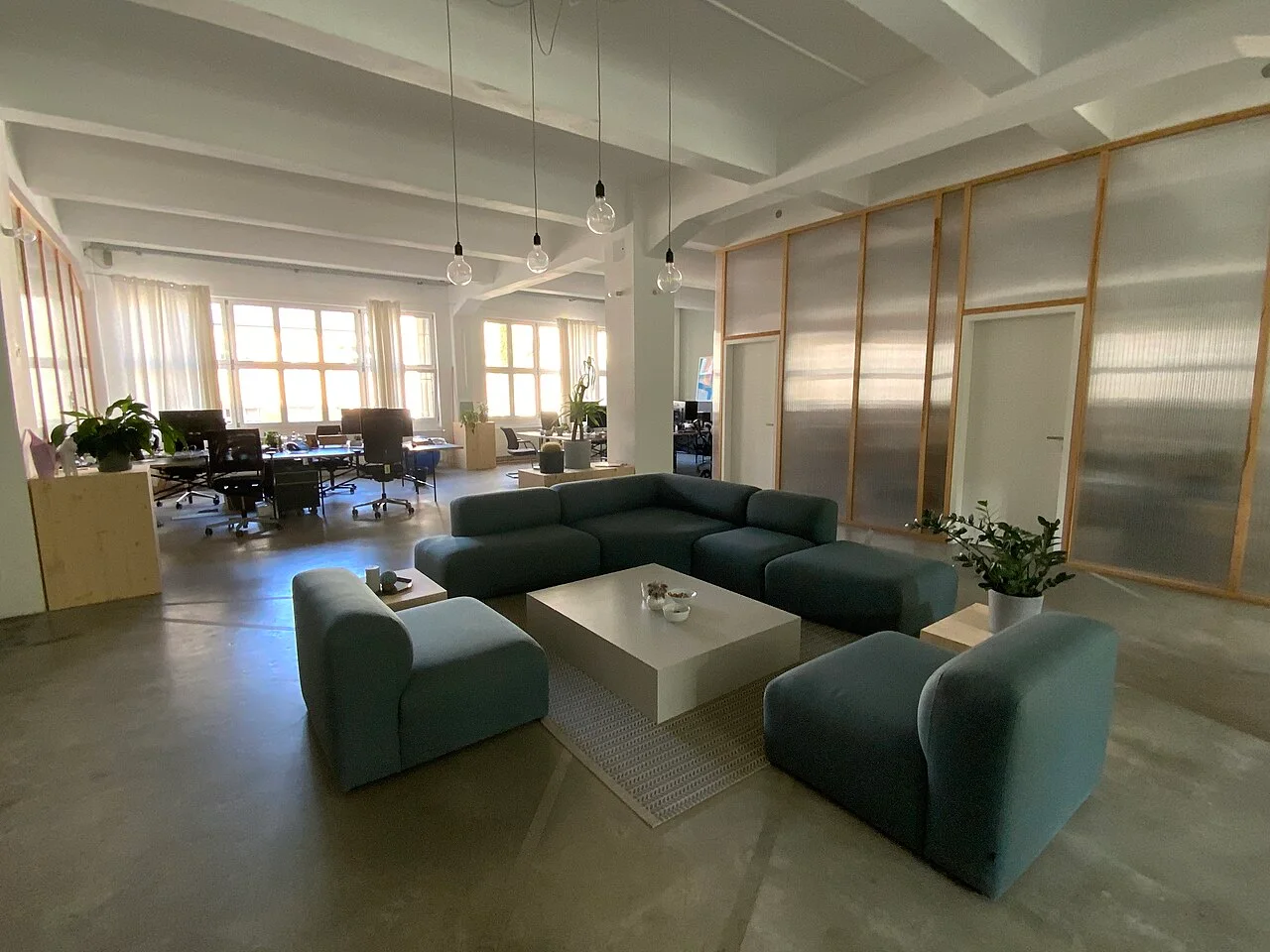
Before you buy a sofa for a small living room
Measure the route, compare seat shapes, and make a sofa shortlist that fits everyday life.
Considered spaces. Good living.
The Urban Nest Edit archive
Measure the route, compare seat shapes, and make a sofa shortlist that fits everyday life.
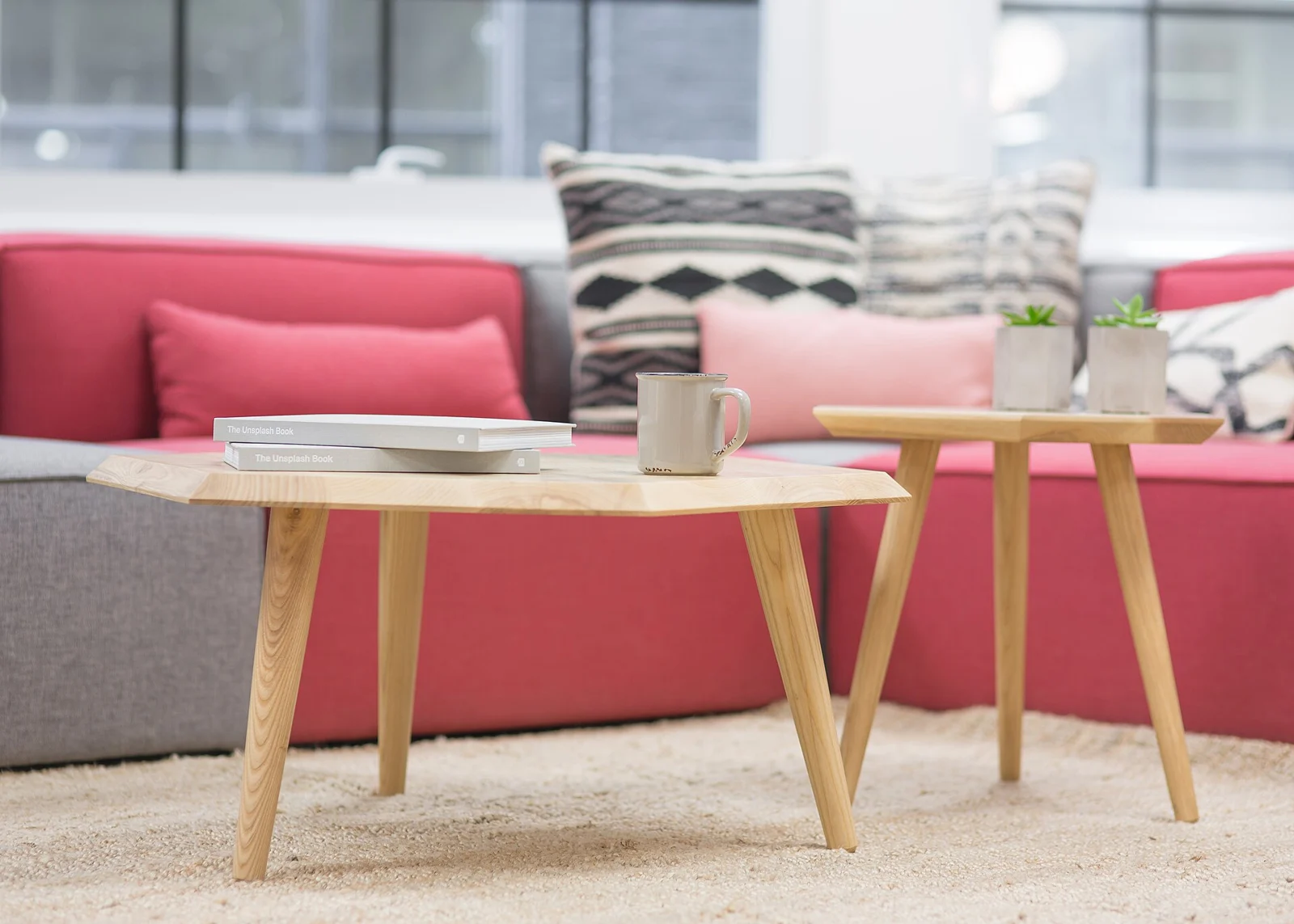
A coffee table occupies the space between several activities: sitting down, stretching out, walking across the room, and putting something within reach.
One bright ceiling light may illuminate a room while leaving its reading chair inconveniently lit and its evening atmosphere harsher than you want.
A rug can define a seating area in a rented home without changing the building, but it still needs to fit the furniture, flooring, and rental conditions.
Map the exact modules and applicable hardware before treating a modular range name as a compatibility promise.
Use documented velvet and bouclé descriptions as starting points for a personal material comparison, with performance questions kept separate.
Two imagined room studies keep the seating and compare a horizontal arrangement with one vertical emphasis.
A documented Wright interior starts an original comparison of two imagined placements for a rounded vessel, without promising a softer-feeling room.
Two imagined indoor evenings compare exchanging an unfinished piece of writing with listening to the same radio program.
Use one published removable-tray table to compare a surface that stays beside a seat with a tray that leaves its base, without treating a tabletop as a support for standing.
A complete original rotation calculation finds a conflict that the starting and finishing rectangles both miss.
Compare two invented bulb-label entries to keep listed light output separate from warm or cool appearance before choosing a living-room bulb.