Two bulb boxes can show the same brightness number while offering different-looking light. If you call both differences brightness, it becomes harder to describe what you want to change in the living room. The U.S. Federal Trade Commission separates brightness in lumens from light appearance on the package. Two invented label entries make that distinction concrete: each lists 800 lumens, but one lists 2700 K and the other 4000 K.
| Invented candidate | Listed light output | Stated color temperature |
|---|---|---|
| A | 800 lumens | 2700 K |
| B | 800 lumens | 4000 K |
Give each number its own question
The FTC explains that lumens measure brightness, while watts describe energy use. Its package guide lists light appearance as a separate field describing the warm-to-cool range. The Department of Energy's consumer lighting guide explains the Kelvin scale: higher K numbers indicate cooler-looking light and lower numbers warmer-looking light. These are different descriptions, rather than rival ways to rank one bulb.
In our original comparison, Candidate A lists 800 lumens and 2700 K. Candidate B lists 800 lumens and 4000 K. Neither is a researched retail product. The listed lumen amount is unchanged; the stated color temperature changes. Calling B the higher-lumen option would misread the values we supplied. Calling its appearance cooler is the relevant comparison.
Write the room brief before choosing the box
One proposed brief is: keep the same listed light output while investigating a warmer appearance for an evening sitting area. Candidate A is the one to investigate for that particular preference. Another brief might ask for a cooler appearance while retaining the same listed lumen amount; Candidate B then becomes the relevant starting point. Neither brief declares a universally better room.
If the actual problem is that a reading page needs more useful light, changing only the K number is a different decision from choosing a different lumen rating. Keep those intentions separate when speaking to a retailer. A precise request can say which listed output and appearance you are comparing, instead of asking for something brighter when you mean less yellow-looking.
Leave the product and room questions open
Our two entries do not specify a base, dimensions, beam, controls or fixture requirements. They cannot establish that either candidate fits your actual lamp. Use the real bulb and fitting information for that decision, including any stated control compatibility. The example is a reading exercise for two label fields, not an installation plan.
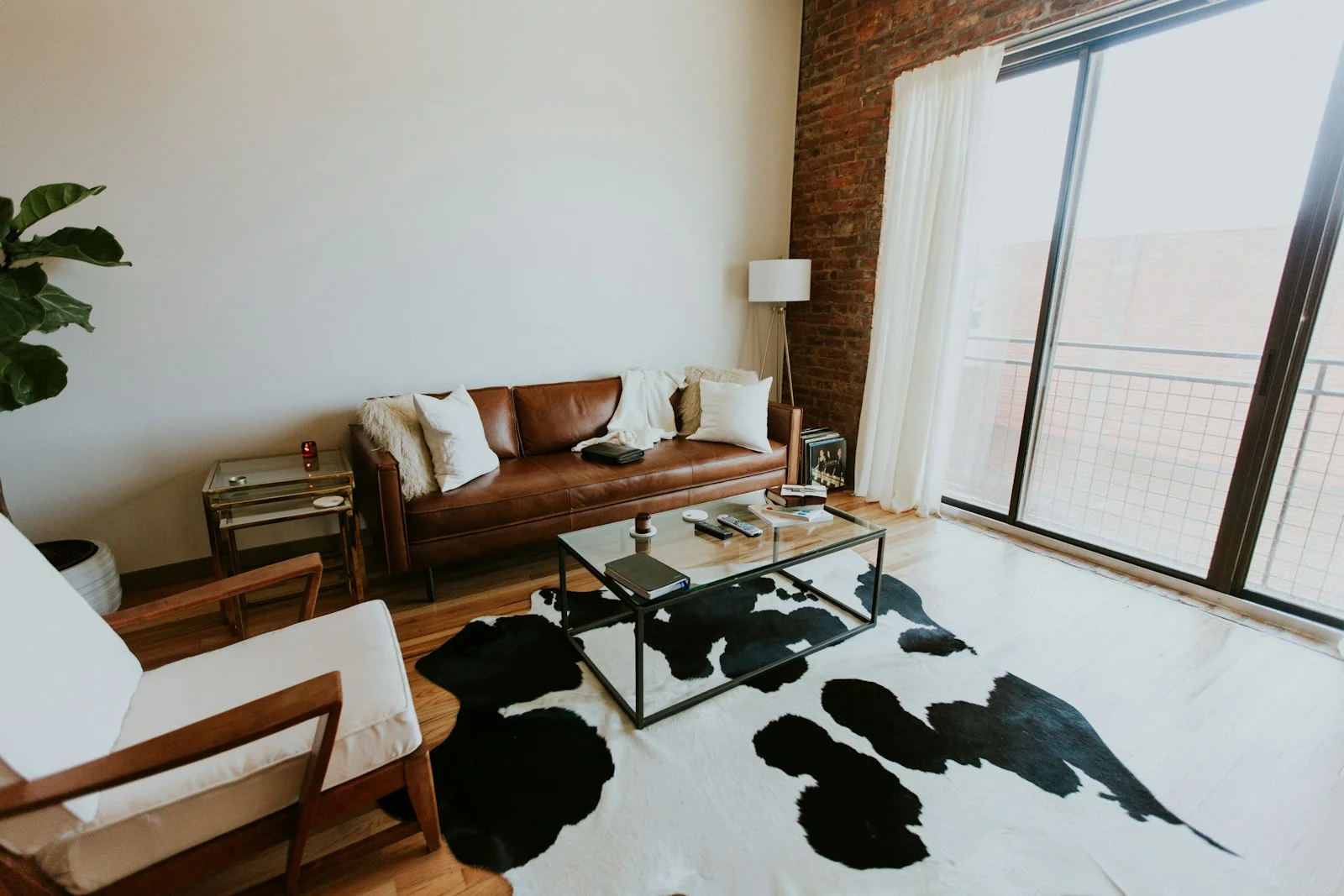
Nor does matching a listed lumen number prove that two products will create an identical view of your room. Placement, the actual fitting and the other product details remain outside this comparison. Before buying, choose the label values that fit your intended brief, then assess the real candidate within its instructions and the seller's terms. A styled room photograph can suggest an atmosphere; it is not a measured demonstration of the bulb in your basket.
Sources & further reading
Published sources for the details and examples discussed in this story.