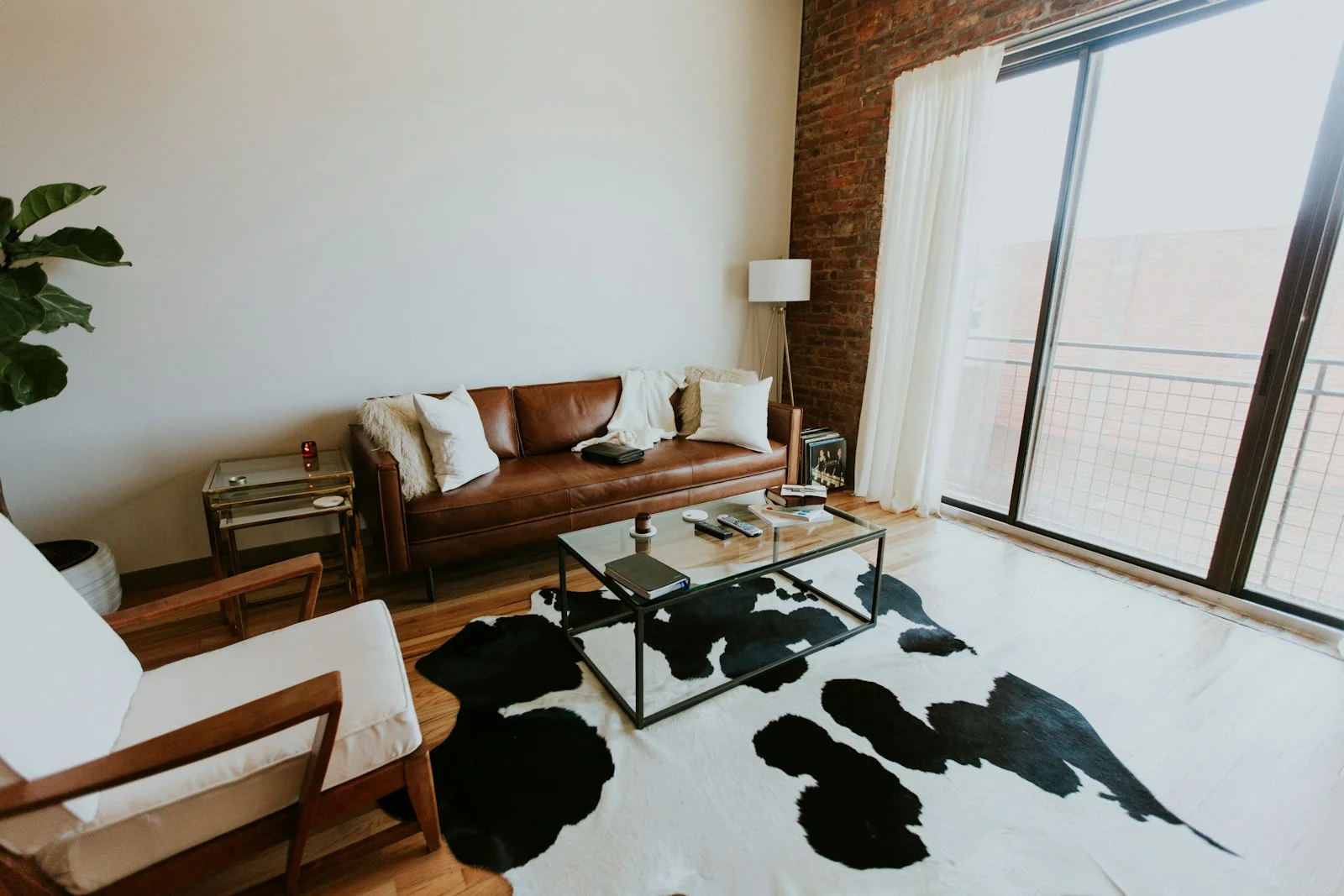
One bright ceiling light may illuminate a room while leaving its reading chair inconveniently lit and its evening atmosphere harsher than you want. Adding lamps can help, but an unplanned collection also creates cords, crowded surfaces, and inconsistent controls. Start by describing the activities that need light. Then decide which existing fitting can serve each one before buying a decorative lamp because it looks convincing in somebody else's room.
Separate the activities
Note where people read, talk, watch a screen, or pass through the room. Look at those locations at the time of day they are actually used. A daytime photograph cannot show the evening problem. Decide whether the issue is the amount of light, its position, glare, or difficulty reaching a switch. This is an observation exercise rather than a lighting measurement claim. A specific problem will guide the next purchase more reliably than a general wish for a cozier space.
Try positions before choosing a style
Move an existing portable lamp where it can be used safely according to its instructions, without creating a trip hazard or unsuitable electrical arrangement. See whether the position helps the intended activity. Check the view from nearby seats and the reflection on screens. A lamp with a beautiful shade may still be inconvenient if its switch is inaccessible behind furniture. Do not improvise electrical installation; use qualified help and the relevant permissions for work beyond ordinary safe product use.
Read the lamp and bulb information together
Check the fitting's compatibility, maximum permitted bulb specifications, and any restrictions on dimming. The FTC's Lighting Facts guidance separates brightness in lumens from energy use in watts and describes the package's light-appearance and estimated annual energy-cost information. Compare those details for the activity you want to light. For conventional LED dimming, Philips Hue's manufacturer guide advises checking both the bulb's dimmability and the dimmer's compatibility. Verify the exact combination with its maker. Keep the manufacturer's directions for both components. An unsuitable bulb is not made appropriate by fitting physically into the socket.
Plan controls and cables
Think about who will operate the light and from where. A floor switch, lamp-base switch, or remote system creates a different routine. Smart features can be useful when they answer a clear need, but check setup requirements, ongoing access, and how the product works if the extra service is unavailable. Keep cords appropriately routed and follow electrical safety instructions. A cheaper lamp is poor value if its safe placement requires a room arrangement you do not want.
Add one light and review it
Compare complete price, suitable bulb costs where not included, care, and returns. Test the lamp under the conditions you intended it to improve while following the seller's return rules. Use the room for several ordinary evenings before adding another layer. You may discover that moving a chair or changing an existing compatible bulb solves more than buying a second lamp. Keep the result grounded in comfortable use, rather than trying to recreate every glowing point in a professionally styled photograph.
Sources & further reading
Published sources for the details and examples discussed in this story.