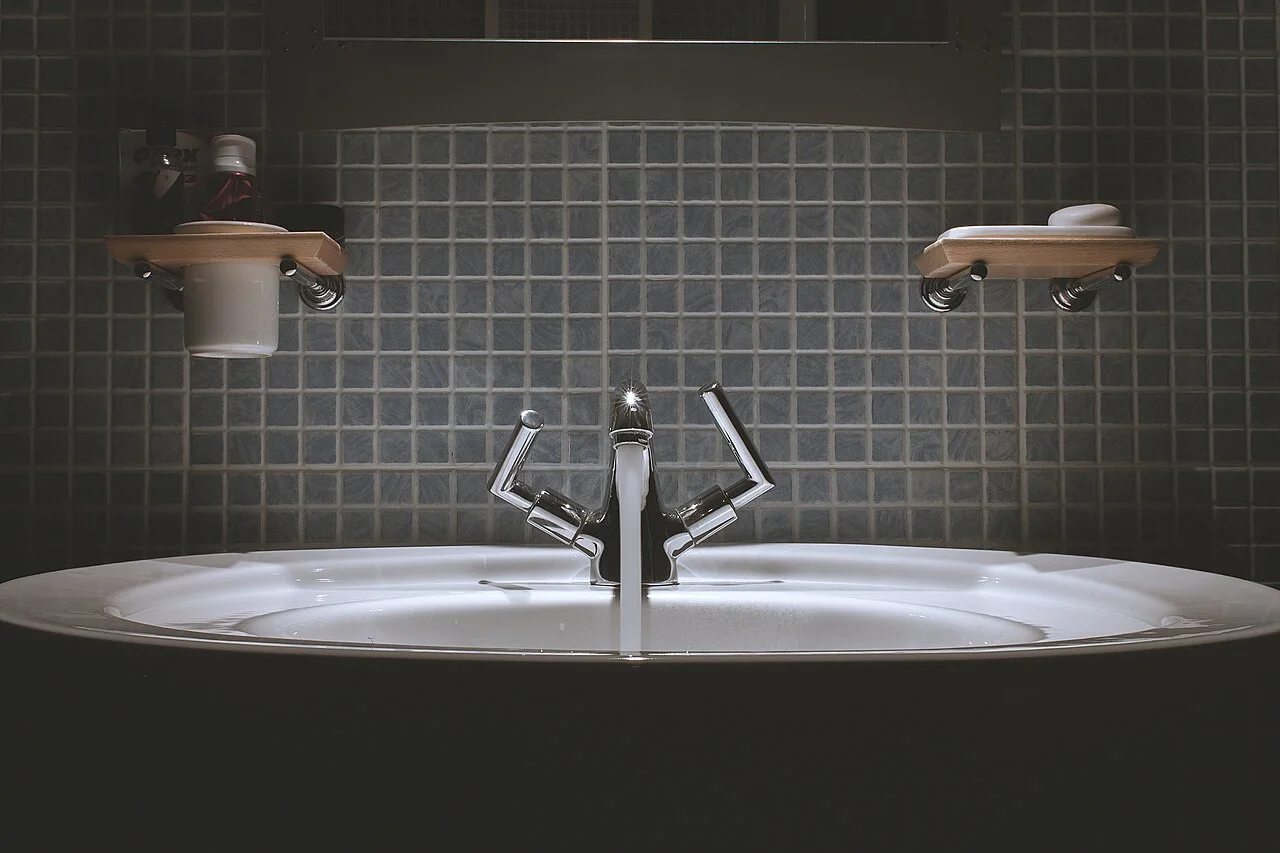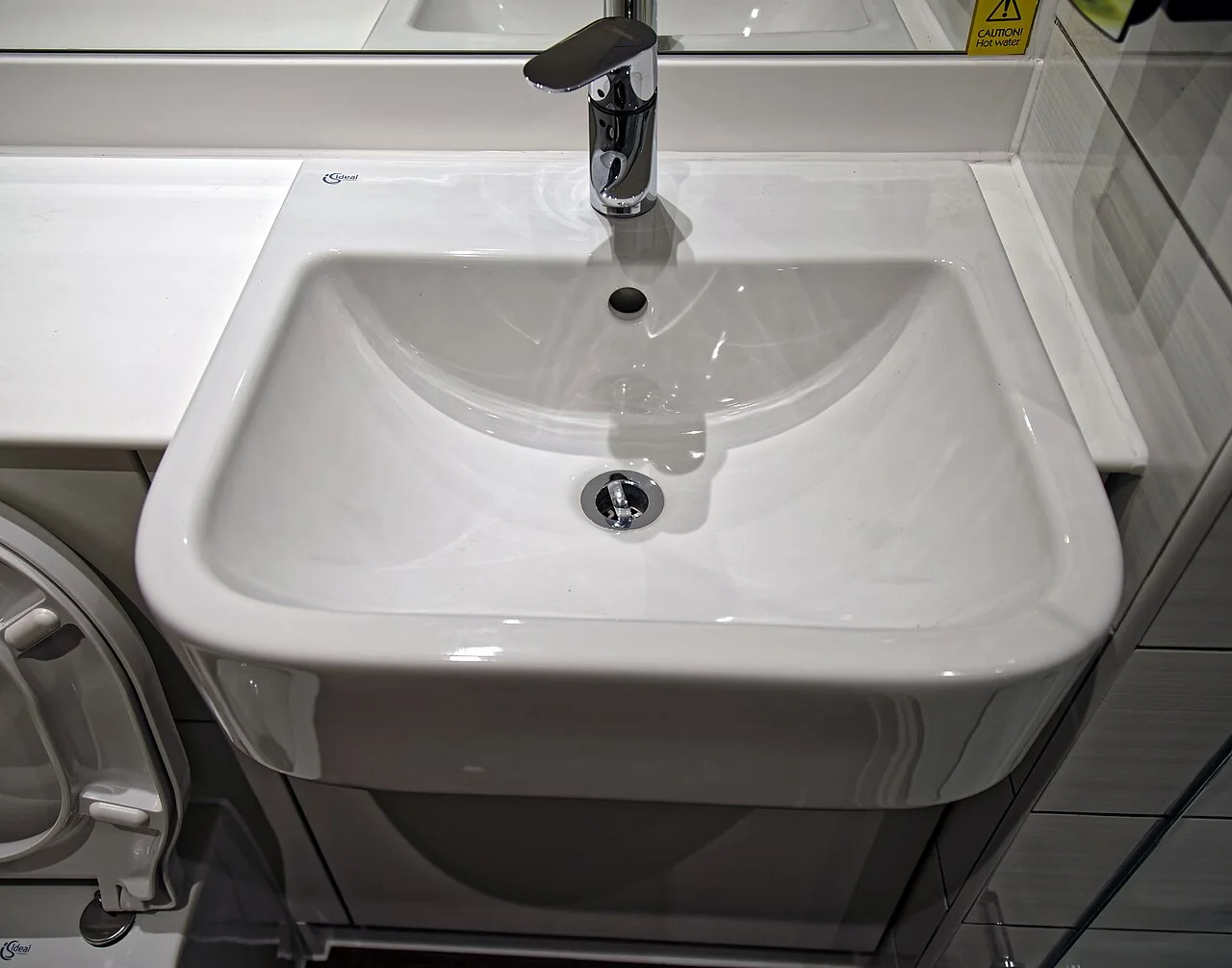
A new tap can arrive with a carefully chosen finish and then be cleaned with whatever bottle already lives under the basin. Before buying another cleaning product, identify the tap and read its care instructions. The useful comparison is between the maker's permitted application and the cleaner's actual directions, rather than between promises of maximum strength.
What this maker’s guidance actually excludes
Hansgrohe's US faucet-care page recommends a soft cotton cloth and advises against aggressive or abrasive products. Its cleaner discussion specifically advises against vinegar and products containing acetic acid, formic acid, sodium hydroxide, chlorine bleach solutions, phosphoric acid or hydrochloric acid. These are the exclusions on that maker's page, not a universal cleaning specification for all tap brands and finishes.
The accompanying cleaning recommendations say to use a product explicitly intended for the application and follow the cleaning-agent manufacturer's instructions. That does not establish that every bottle featuring a preferred ingredient is suitable at any concentration. It also gives no reason to combine household products or improvise a stronger treatment.
Start with the information you can match
In a hypothetical bathroom, first locate the faucet model and finish description from the order or maker's documentation. Then obtain the applicable care information. If the finish identity is uncertain, ask the manufacturer to help establish it before choosing a chemical treatment. A photograph that looks like chrome is not a complete material specification.
For a proposed cleaner, read its intended surfaces, exclusions and directions. If these conflict with the tap guidance or leave the application uncertain, leave the bottle off the shopping list pending clarification. This article recommends no named cleaner, mixture, dilution or dwell time. A kitchen cleaning habit should not quietly become permission for a different bathroom finish.
Keep a small care record rather than a chemical collection
A useful note can contain the exact model, finish, applicable care page and any written answer about the proposed product. Keep it with the purchase information so another person in the household can follow the same guidance. The point is not to create a complicated cleaning system; it is to stop a familiar but unsuitable bottle becoming the default by accident.
If the surface already appears damaged, obtain advice about that actual condition rather than escalating to a harsher product. Cleaning and repairing a finish are different questions. No faucet was cleaned, dismantled or assessed for damage here, and the guidance does not certify an unknown tap's finish. A resolved compatibility question can mean using an existing suitable product, choosing a documented alternative or buying nothing yet.
Sources & further reading
Published sources for the details and examples discussed in this story.