Towel storage is partly about clean folded linen and partly about what happens after a shower. A neat cupboard does not solve the problem of damp towels with nowhere suitable to hang, and a decorative ladder is not automatically appropriate for every bathroom. Before buying, trace the towel's journey from clean storage to use, drying, and laundry. That sequence will show which part of the routine needs a change.
Count the working rotation
Separate towels used regularly from spare guest towels and pieces kept without a clear purpose. Decide what needs to be accessible in the bathroom and what can live elsewhere. A small room may work better when only the current rotation is stored there. Do not buy a larger cabinet simply to preserve an unexamined pile. Check the household's actual laundry schedule and storage space rather than copying a universal rule about the number of towels each person should own.
Distinguish clean storage from drying space
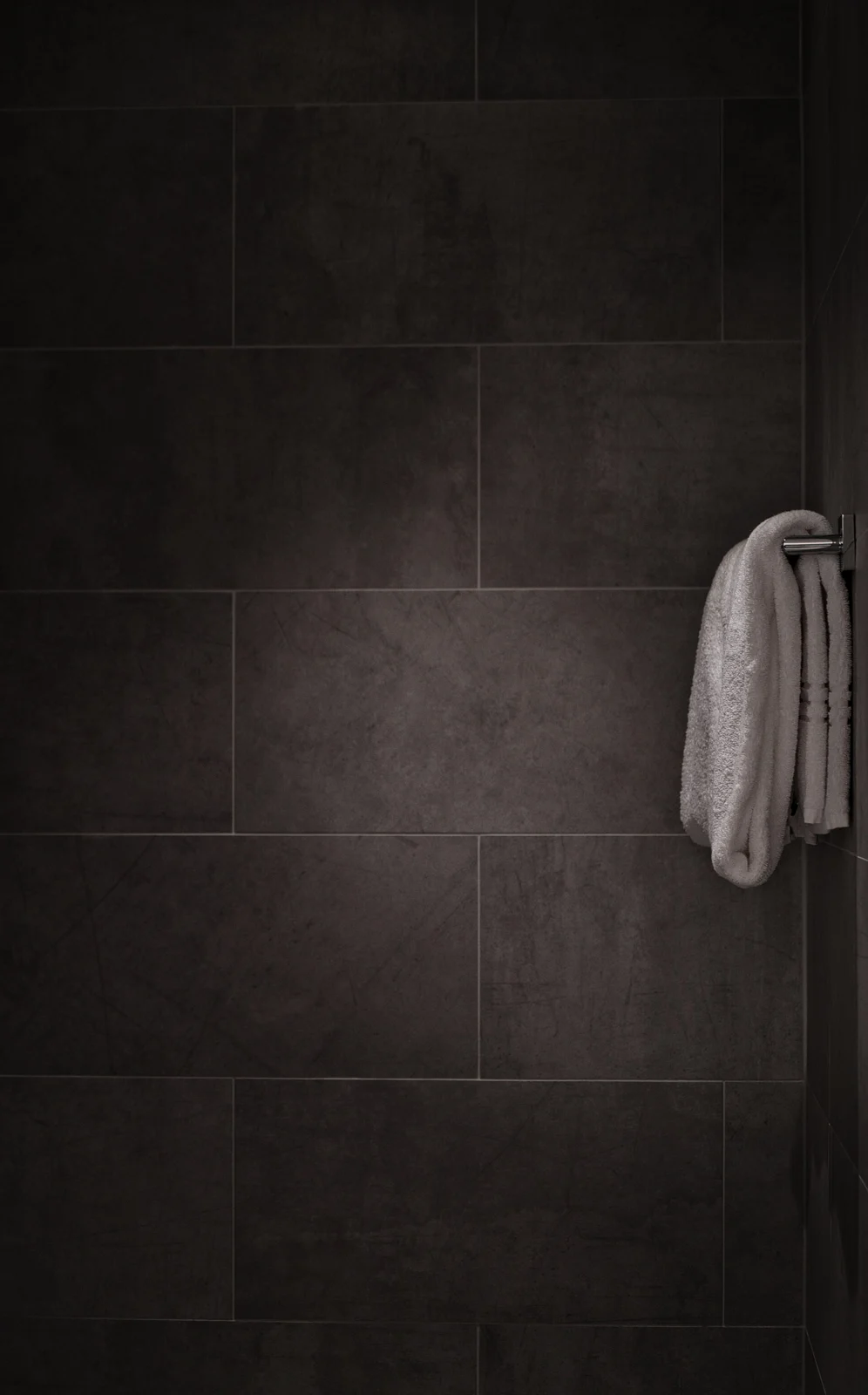
Think about where a towel goes immediately after use and whether that arrangement follows the product's care guidance and suits the room. Avoid packing damp items into closed storage. Check the dimensions and intended use of a proposed rail or hook, including installation requirements. A product may look generous in a photograph while offering limited usable length. If sharing the bathroom, give each person's towel a clear location so the system remains understandable without daily rearranging.
Measure around everyday movements
Open the door, reach the sink, use the shower entrance, and check cabinet access with the proposed storage footprint marked. A freestanding unit can reduce usable floor area, while wall-mounted storage creates fixing requirements. Note the actual depth and any projecting handles or shelves. The right location should be convenient without interfering with the room's ordinary use. Do not assume that a piece marketed for small bathrooms fits your particular layout simply because its overall width is modest.
Read materials and care information
Check the manufacturer's guidance for placement, moisture exposure, cleaning, and any stated limitations. A bathroom-style finish is not by itself proof of suitability for every wet location. For electrically heated products, follow the relevant installation and safety requirements and use qualified assistance where appropriate; a decorative storage guide cannot design an electrical installation. Include all required parts and professional work in the budget. If those commitments are disproportionate, a simpler suitable storage change may solve the original problem.
Buy for the observed bottleneck
If the issue is clean linen storage, compare useful shelf or drawer dimensions. If it is the after-shower stage, prioritize a suitable place for used towels rather than another basket. Check full delivered cost and return conditions, as FTC shopping guidance recommends. Try rearranging the existing rotation before buying an entire matching collection. A successful setup can be visually simple: the right towels accessible, suitable places after use, and a straightforward route into the laundry routine.
Sources & further reading
Published sources for the details and examples discussed in this story.