A work conversation may take place in a home without making every room part of the visit. That distinction can remain unspoken until someone starts showing a guest around. These two original domestic scenes concern household expectations about in-person visitors and private rooms. They describe no actual business, property permission or legal entitlement, and they do not establish that receiving work visitors is permitted in any particular home.
In the first home, the invitation has a defined place
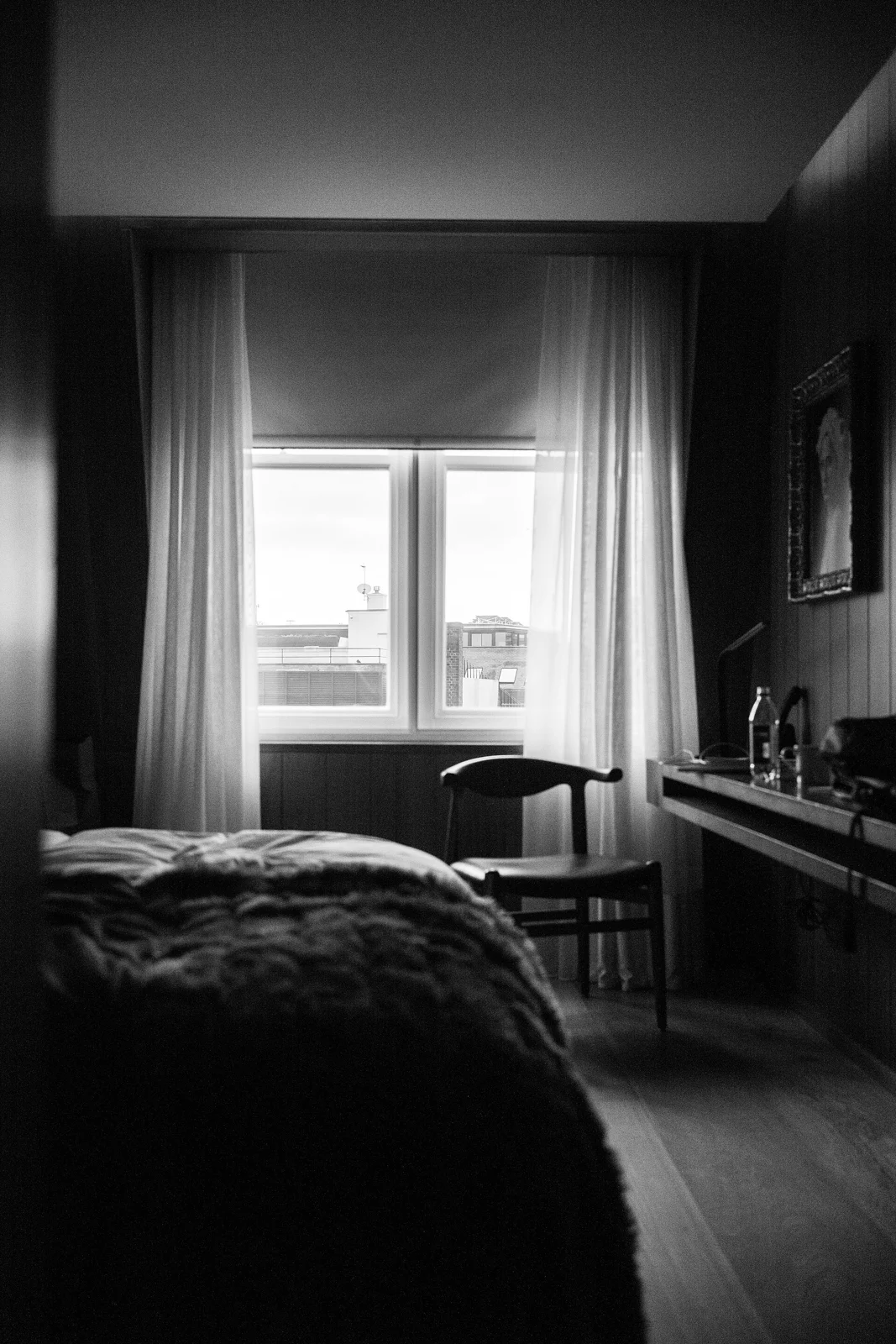
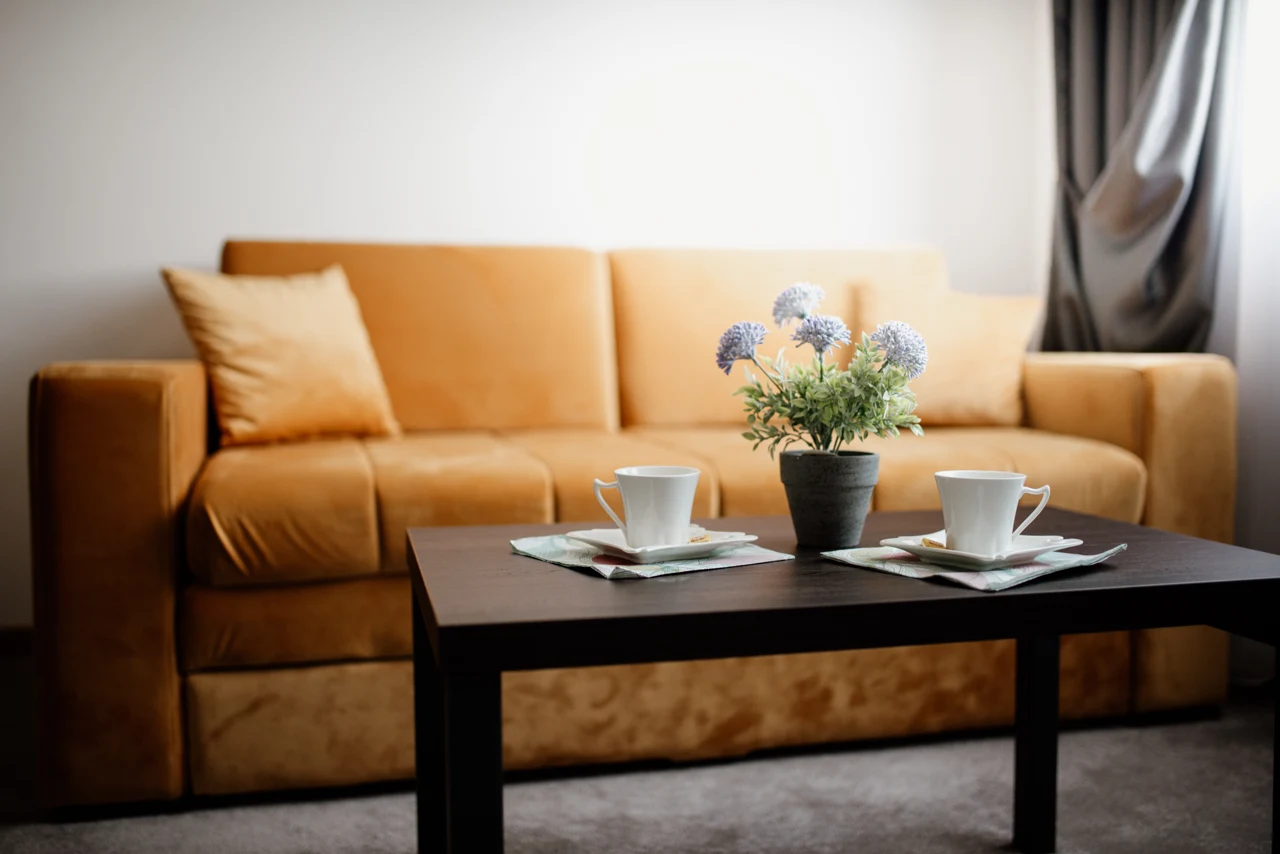
Imagine Ellis asking housemate Rowan about a proposed work guest. Before inviting anyone, they agree that the conversation would take place in the shared sitting room for the specific visit. Rowan’s bedroom and another private room are not part of that invitation. They also discuss the ordinary needs of the visit so that “just the sitting room” is not a phrase whose practical meaning changes after the guest arrives.
In the fictional scene, Ellis welcomes the visitor into the agreed room rather than offering a tour. The boundary is not presented as embarrassment about the rest of the home. It follows from the actual limited invitation the two residents chose. The work guest does not need a view of Rowan’s personal room to participate in the conversation.
In the second home, a pleasant welcome expands without agreement
Now imagine Morgan telling housemate Kit that a colleague will be coming over. Kit understands this as a conversation in the shared room. Morgan imagines an informal whole-home welcome and, during the visit, begins showing the colleague other rooms. Kit’s private room becomes the next stop without either resident having explicitly discussed that expansion.
The difficulty is not solved by making Kit’s room look tidier. A styled room would still be a private room Kit had not agreed to include. Nor is it solved by purchasing a screen after the fact if the underlying assumption remains that Morgan can expand the visit at will. The missing decision concerns where the invitation ends, not how convincingly the home looks like a workplace.
For this imagined pair, an honest outcome might be a narrower future invitation, or deciding that this kind of work meeting belongs elsewhere. The story does not promise that one conversation will resolve every household disagreement. It identifies the particular assumption that furniture and good intentions cannot settle on their own.
A short conversation can name the room boundary
In an original version of their discussion, Kit says, “I understood the visit to be in the shared room. I did not agree to my room being shown.” Morgan replies, “I thought a tour was part of being welcoming. Next time I need to describe that separately rather than assume it.”
Kit continues, “If the visit needs more of the home than the shared room, let’s decide that before anyone is invited.” Morgan answers, “Then I can tell the guest where we will meet, or choose another place.” These fictional lines keep the question about the scope of the visit. They do not require Kit to defend the appearance or contents of the private room.
A furniture zone is not the whole agreement
IKEA’s published three-workspace example divides a room into places for working, studying and relaxing. That is a useful layout vocabulary, but a proposed furniture zone does not establish which residents or visitors are invited into which parts of an actual home. This feature endorses none of the page’s product comfort, acoustic or concentration claims.
In particular, a room divider does not supply the missing agreement in Morgan and Kit’s scene. Before considering one, they would still need to decide whether the visit should happen at home and what areas it includes. Any actual product also has its own suitability and installation requirements; a social boundary is not an instruction to obstruct a route or alter a room.
Choose a venue, not an imaginary entitlement
For an actual visit, resolve the relevant household agreement and any separate requirements of the property, work or activity involved. This essay determines none of those permissions. If a home arrangement cannot support the intended visit, another suitable venue may be the more coherent choice than asking a housemate’s private space to complete it.
A considered welcome can be limited and explicit. The shared room can be genuinely welcoming while the rest of the home remains outside the invitation. That clarity lets the visit have a place without quietly making every resident’s home available to it.
Sources & further reading
Published sources for the details and examples discussed in this story.