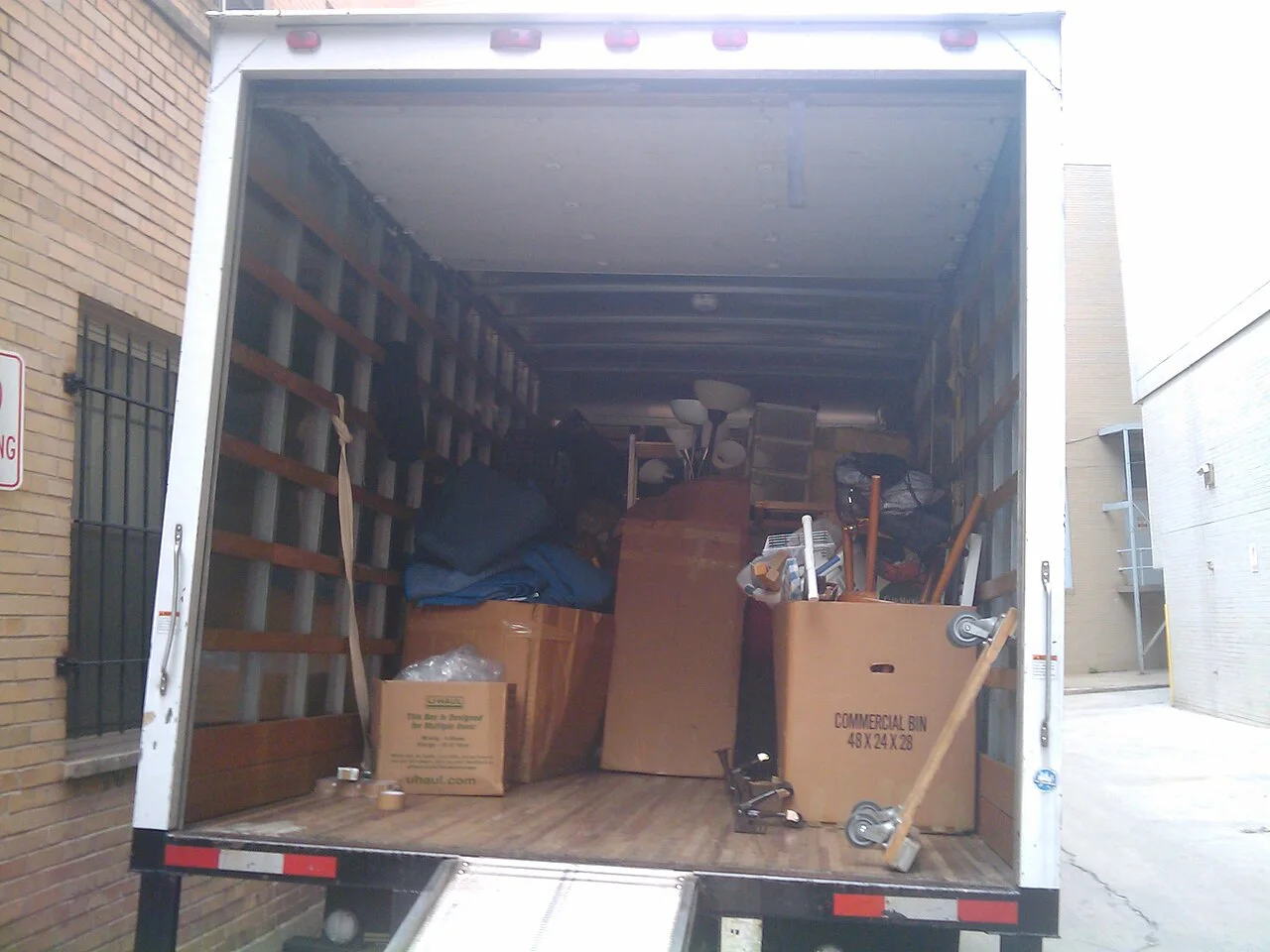
Two removal quotes can concern the same sofa and still describe different jobs. One may have been prepared with a ground-floor collection in mind while the actual home has a narrow stair and a booked lift at the destination. Before comparing the headline amounts, check whether each provider has received the same access description. The useful enquiry concerns the route as well as the belongings.
A named provider explains why access matters
Doree Bonner's UK removals FAQ says its survey considers belongings, access at the current and new property, and requested services before a written quotation. It asks customers to disclose difficult stairs or unusual access and says suitable lift use remains subject to building rules and the items' size and weight. Those are this provider's published planning points, not a guarantee for every move.
The FAQ also asks customers to raise parking restrictions, permits, suspended bays and restricted roads before moving day. This article does not calculate a parking charge, decide a permit requirement or confirm vehicle access to any particular address. Those details need answers from the responsible parties for the actual booking.
Describe both ends in the same enquiry
Create a separate note for collection and delivery. For each address, describe the floor, available route, known restrictions and any building arrangements you have confirmed. Distinguish a lift that exists from a lift that is permitted and available for this move. If the booking is not yet confirmed, label it provisional rather than presenting access as settled.
Add the belongings or services that make the access question specific. A large item and a request for dismantling deserve an explicit discussion rather than an assumption that a mover will improvise on arrival. This is not a route-safety assessment or advice to remove a window yourself. Ask the provider what it needs to assess the route and any specialist arrangements.
Compare the written scope, then the number
When quotes arrive, check the addresses, goods, access assumptions, included tasks and unresolved conditions beside one another. Send corrections before treating the offers as equivalent. A higher or lower amount is difficult to interpret if one enquiry omitted an essential part of the job. No price saving is established by this example.
Keep the written clarification with the quote and update the provider if a key assumption changes, such as a lift reservation or the destination's availability. Read the terms that apply to the actual booking; this article does not adjudicate an extra charge or cancellation dispute. A complete access brief is useful even if it leads to another survey or leaves the move unbooked for now.
Sources & further reading
Published sources for the details and examples discussed in this story.