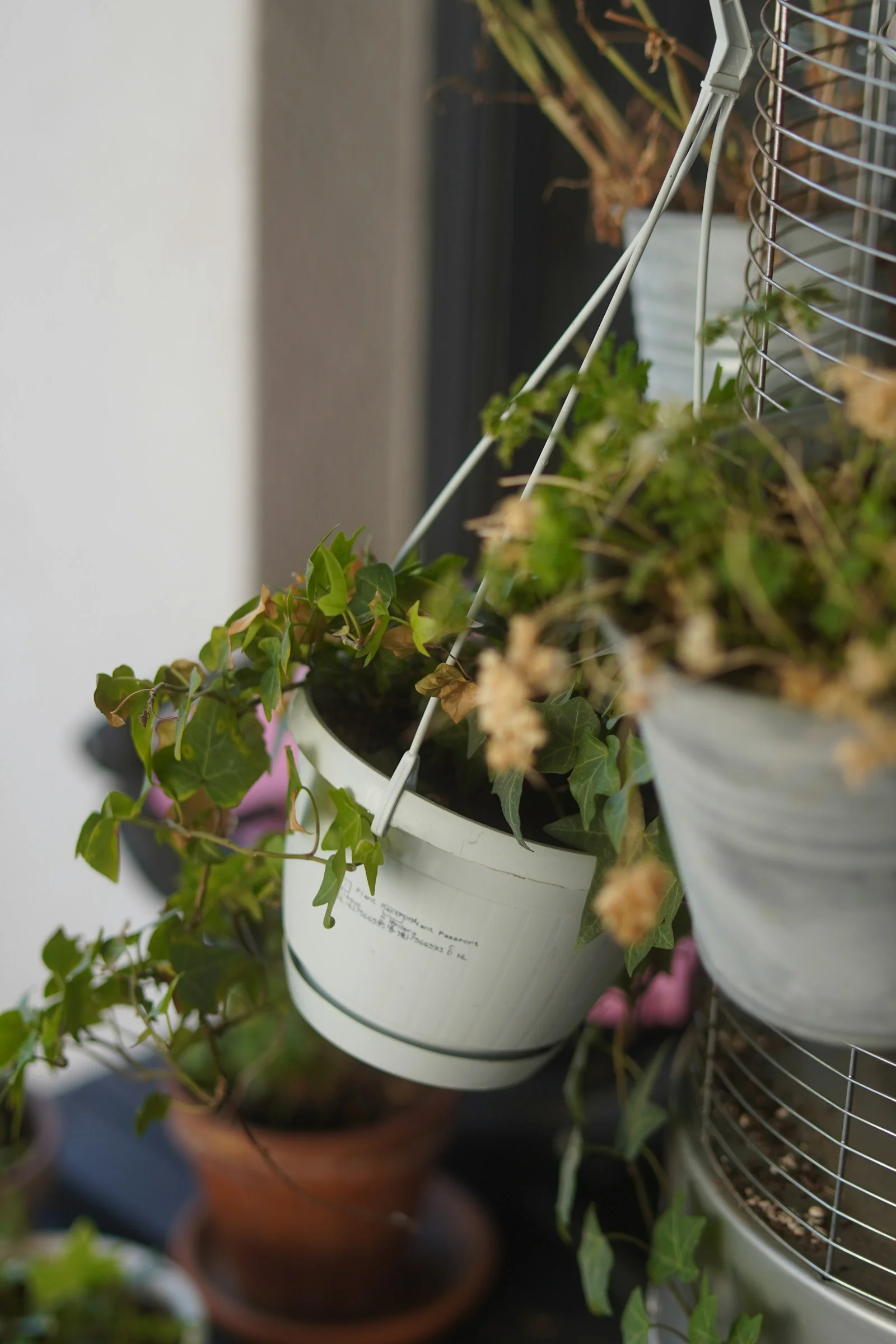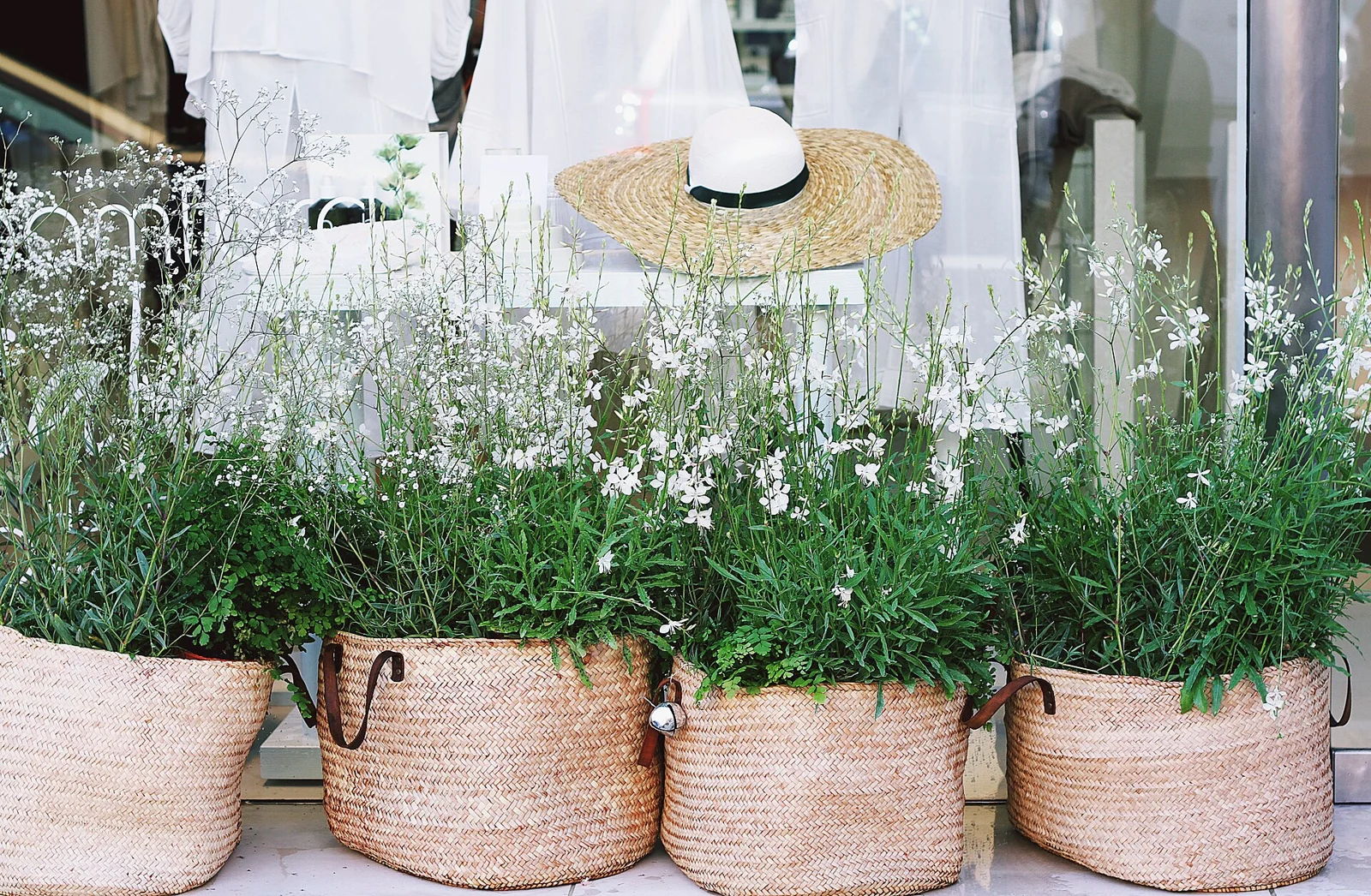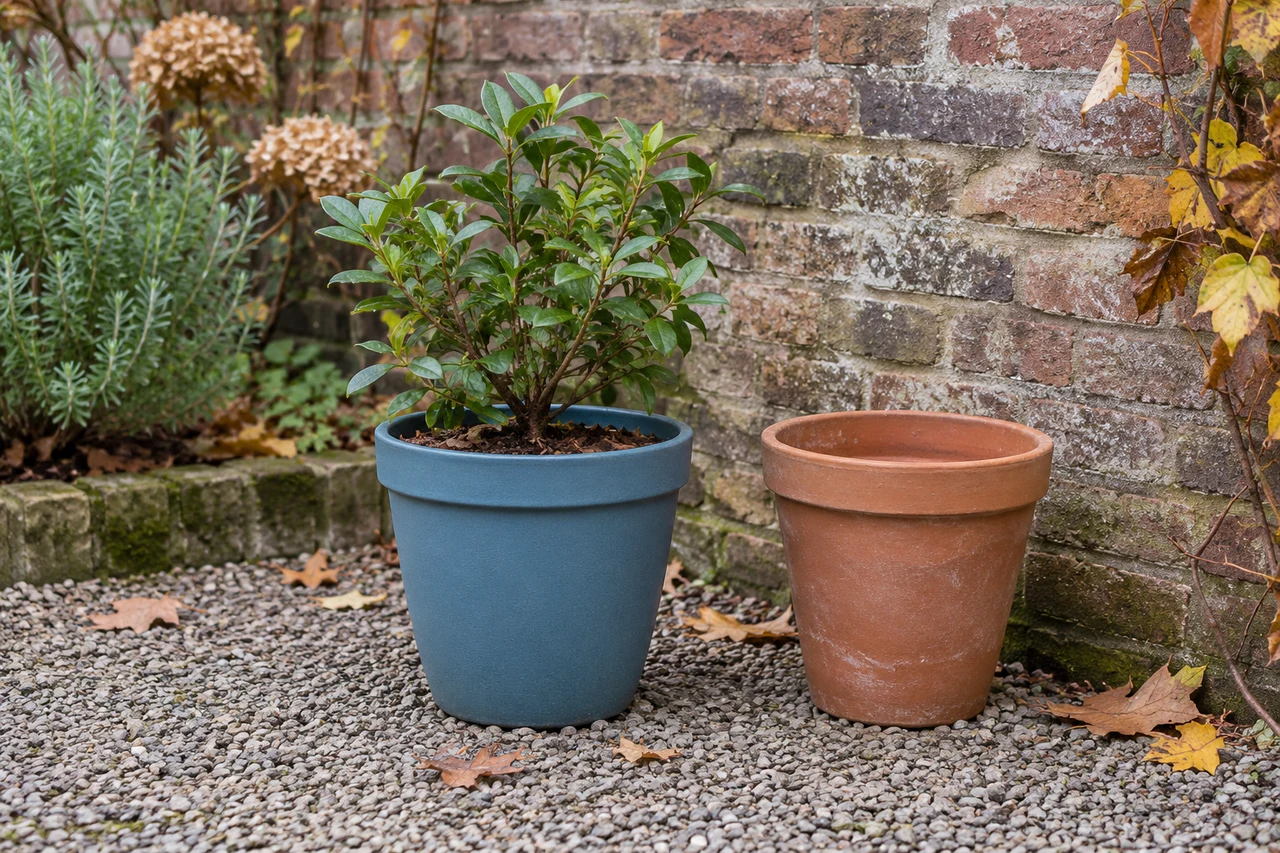
A plant's winter requirements do not disappear when it grows in a decorative pot. RHS container guidance identifies freezing compost as a winter danger and recommends attention to protection, wet conditions and watering. Before buying another cover, look at the whole planted container: the actual plant, its position, the root zone and where water can escape. A general hardiness label alone cannot complete that care plan.
Begin with the plant and the place
Identify the actual plant and consult its local growing requirements before deciding whether it should remain outside, move under cover or receive another supported treatment. RHS frost guidance recommends choosing plants suited to the conditions and moving container-grown plants to a sheltered part of the garden in cold weather, with appropriate extra protection around the pot.
An original winter handoff note can start with plant identity, current position, any intended sheltered position and the source of its care instructions. These are fields to fill for your own container, not a garden we inspected. No exact temperature forecast, cultivar hardiness adjustment or promise of survival is supplied here.
Keep root-zone protection separate from the decorative finish
RHS notes that grouping containers near a house wall in winter can help protect roots from cold. Its maintenance guide also describes suitable protection or temporary cover. Use those ideas with the actual plant and site requirements rather than assume every covered location remains frost-free.
The appearance of a pot does not establish a manufacturer's frost-resistance claim. Check the actual product information if that characteristic matters to a purchase. This guide identifies no pot model or material as universally frost-proof and reports no freeze-thaw test. Protection for the planted root zone is a practical care question even when the container was bought mainly for its finish.
Review water before adding another wrap
RHS advises removing saucers in winter and, during very wet periods, moving plants under temporary cover if the compost becomes sodden until it dries a little. Keep the route for excess water in the care note. A decorative outer container should not make trapped water invisible merely because the plant looks sheltered from above.
Under cover, however, a plant may no longer receive rain. RHS says evergreens and conifers can still need watering and recommends checking them at least weekly, watering if needed; it also says to avoid watering when frost is forecast. Those instructions do not create one fixed amount or schedule for every dormant or evergreen plant.
Write a handoff another person can use
For a short absence, add who will check the container and where the actual plant instructions are kept. Record the intended position, whether a saucer has been removed and what moisture condition needs attention. Keep access and handling practical rather than plan a move that another person cannot manage with the actual heavy object.
Before purchasing covers, stands or replacement containers, identify the missing care task. It may be a suitable sheltered position, an accessible moisture check or verified product information. A larger equipment order cannot substitute for knowing the plant. This checklist offers a structured seasonal review; it does not assess balcony loading, lifting safety, installation or a real container's winter performance.
Sources & further reading
Published sources for the details and examples discussed in this story.