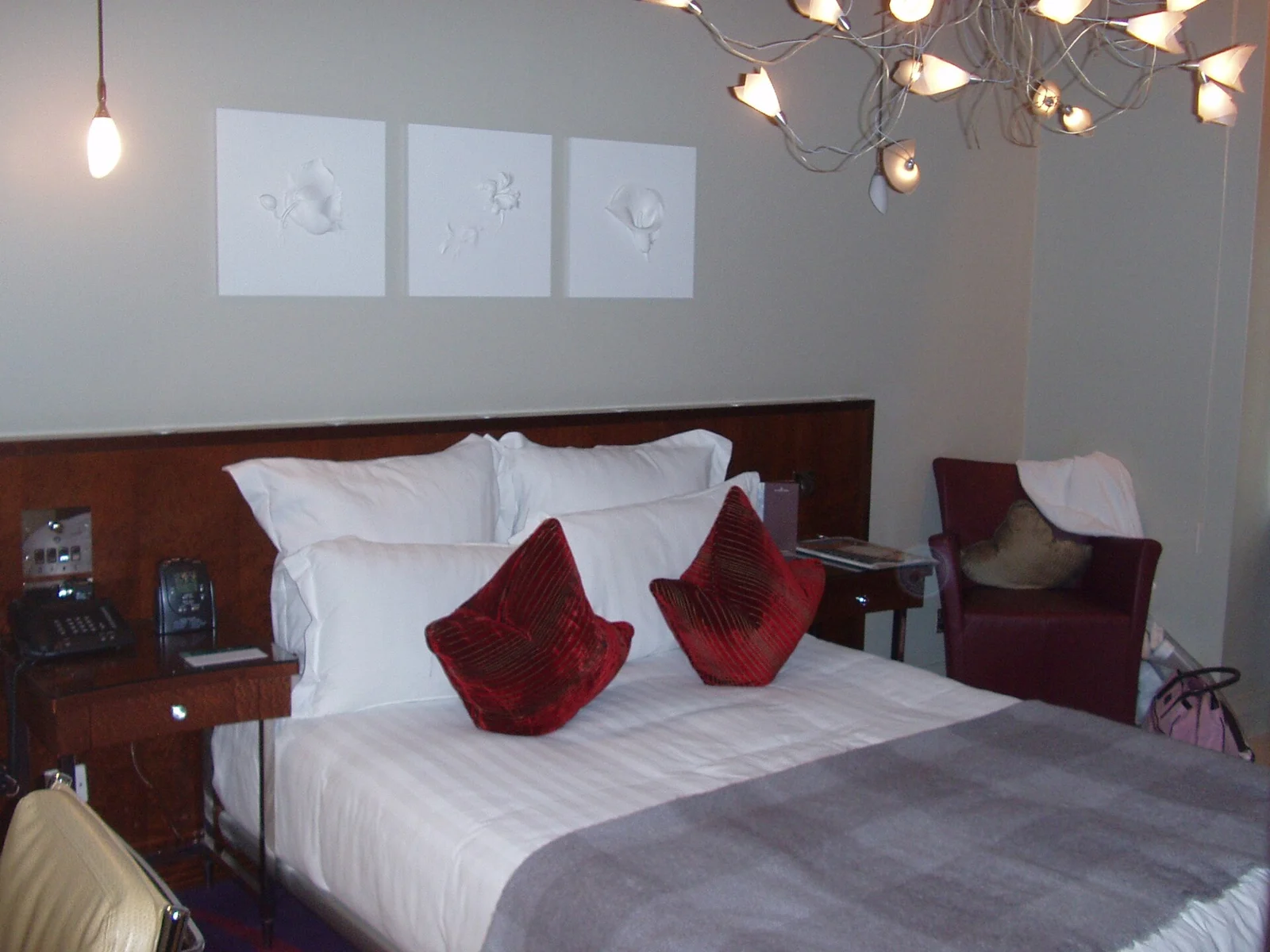
A mattress order can look complete while the support underneath it remains an assumption. The bedroom photograph shows a tidy bed; your existing frame appears to have the right dimensions. Neither observation answers whether that mattress maker permits that particular support. Before spending on a replacement mattress, put the two products in the same conversation. This is a compatibility enquiry, rather than a prediction about how a mattress will feel.
| Proposed combination field | Documented or unresolved |
|---|---|
| Mattress example | TEMPUR-Adapt Medium, Queen; maker listing |
| Support conditions | Maker FAQ and applicable warranty; confirm exact version |
| Existing base | Model, slat details and structural adequacy not established |
| Next step | Request written compatibility response; no modification specified |
What one maker actually says
Tempur-Pedic's support article calls for a solid, elevated surface and identifies its flat foundations and adjustable bases as options. It distinguishes these from traditional box springs. It also says slatted bed frames and Murphy beds may be usable only when specified structural and spacing requirements are met. Those are conditions in a particular maker's guidance, not a universal specification for every mattress.
The important word in a conditional answer is the condition. A frame being described as a platform bed does not establish all the details the maker needs. Equally, a retailer's broad statement that a frame takes a certain mattress size does not, by itself, answer the mattress manufacturer's support question. Keep size compatibility and support compatibility on separate lines.
Describe the base you actually own
For a named example, the maker lists a TEMPUR-Adapt Medium mattress in Queen size. Treat that as the proposed mattress in an otherwise hypothetical purchase, not an item we own. Its collection page says a solid, elevated support surface is needed. The linked maker support FAQ allows slatted frames only with slats at least three inches wide, no more than four inches apart, structurally sound and capable of supporting mattress and occupants. These are conditions to confirm with the responsible provider, not instructions to modify a frame. An existing base's model, dimensions, spacing and structural capacity remain unknown in this example.
A photograph can help the seller identify a question, but it is not an engineering assessment. Ask for the applicable model-specific requirements and the written response to your proposed combination. If those requirements point to missing support, obtain an approved solution from the responsible maker or qualified provider. This article supplies no load assessment or instructions for modifying a frame.
Keep support, warranty and preference distinct
Tempur-Pedic's page connects improper support with warranty consequences. That makes the applicable written warranty another document to read; it does not let this article decide a future claim. Retain the exact product identities and the answer received rather than relying on a remembered conversation about a different mattress in the showroom. The current US limited warranty applies to new mattresses from the maker or an authorized retailer and to the original purchaser. Its mattress section excludes inappropriate support and may require evidence of base quality. The applicable purchase-date version and the actual combination still need confirmation; this is no advance warranty decision.
Once the support question is resolved, comfort and practical buying terms still deserve their own attention. An approved base is not a promise that you will prefer the mattress. Conversely, a pleasant brief lie-down cannot establish the suitability of your existing frame. If the seller cannot answer the support question before purchase, leaving the order open is a reasonable outcome.
Sources & further reading
Published sources for the details and examples discussed in this story.