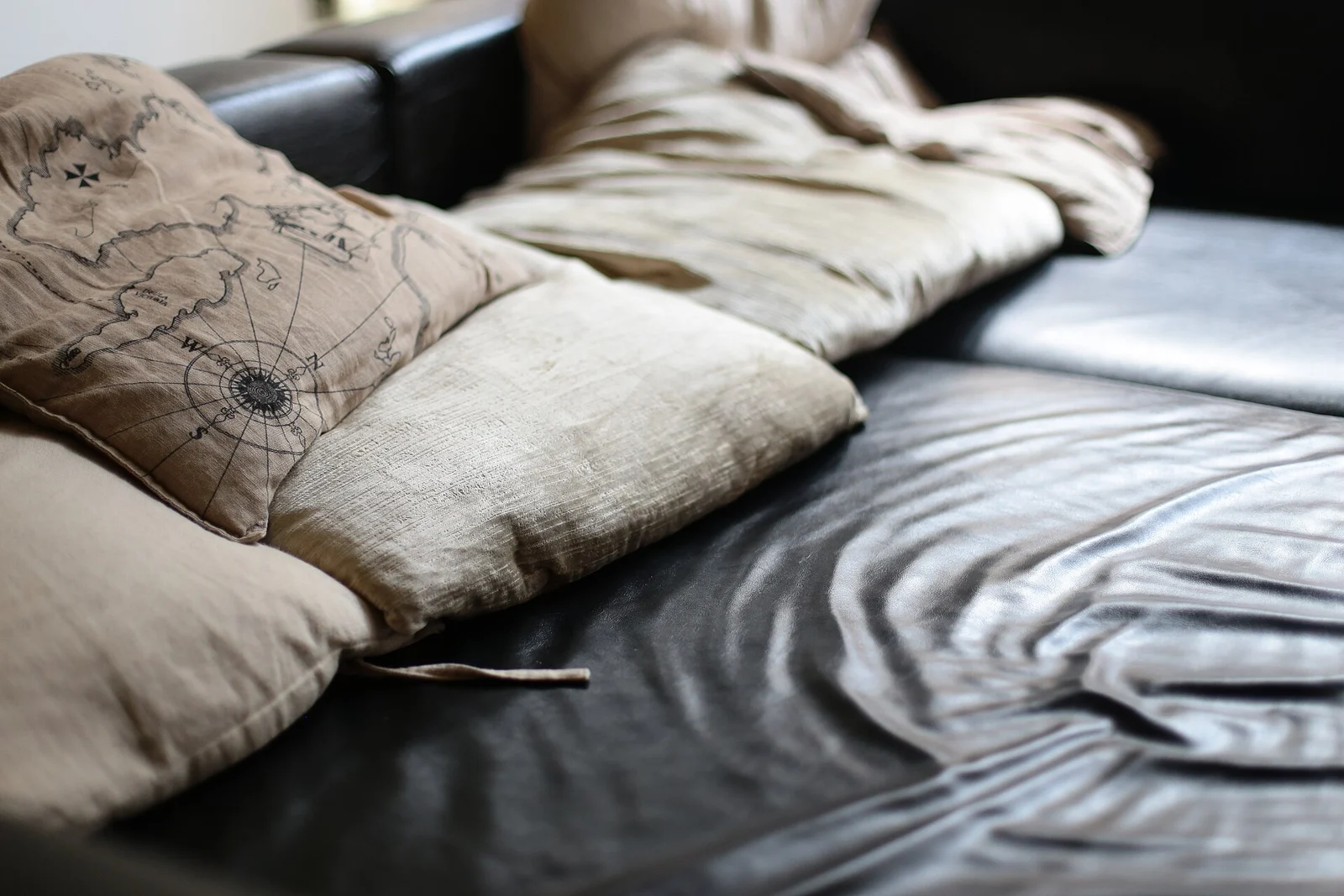
Changing cushion covers can shift the look of a sofa without replacing its main furniture, but it still creates practical choices about size, filling, care, and storage. Before buying a coordinated collection, inspect the cushions you already use. A refresh works best when it improves comfort and keeps maintenance manageable, rather than creating a pile that has to be moved every time someone sits down.
Count the cushions that are actually useful
Observe a normal evening: which cushions support someone comfortably, which are moved aside, and which never leave the floor? Keep that information separate from the number shown on a styled sofa. An existing cushion may need only a suitable cover, while another may have no useful role. Decide whether the goal is a color change, a different texture, or a practical replacement. Each reason leads to a different purchase, and none requires filling every seat with decorative layers.
Measure covers and inserts separately
Check the dimensions and shape of the existing insert and compare them with the cover maker's guidance. Do not assume that every nominally similar size will produce the same result. Look at closure details and the opening through which the insert must pass. A narrow decorative opening can make a routine cover change more awkward than expected. If buying both components, confirm what the advertised price includes; a photograph of a filled cushion may accompany a listing for the cover alone.
Read care before choosing a texture
Check the exact cover's cleaning instructions and whether any separate insert has different requirements. FTC care-label guidance is a useful reminder that regular care should be based on the product information rather than a general fabric assumption. Consider where the cushion will be used and what cleaning tasks occur there. A delicate texture may be a perfectly reasonable choice for an occasional chair but a frustrating one on the household's most heavily used sofa. Choose with that distinction in mind.
Connect the room without matching everything
Use one existing element as a reference, such as a rug, curtain, or piece of art. Compare the actual colors where possible; screen images and lighting can make near-matches misleading. Decide whether you want a quiet connection or a clear contrast. A small number of compatible covers may be enough. Buying an entire set because the pieces match each other can create a room full of one new idea rather than a useful relationship with what you already own.
Plan what happens to the old covers
Keep usable covers only if you have a realistic rotation and storage place. Clean and store them as directed instead of compressing an undefined seasonal collection into a crowded cupboard. Include delivery and return terms when comparing new options. Try one or two covers before expanding, and check whether the sofa remains comfortable to use. The refresh has succeeded when the room feels considered and the cushions still support ordinary sitting, not when every available color from a collection has been purchased.
Sources & further reading
Published sources for the details and examples discussed in this story.