A small art wall can bring personality to a room, but it is easy to buy several frames before deciding what they will hold or how the arrangement will fit. Begin with the images and objects that matter to you, then plan the wall around them. The aim is not to fill every available patch. A considered arrangement should relate to the furniture and remain practical to install, maintain, and change when the room evolves.
Gather the actual contents
Choose the prints, photographs, or other suitable items before buying a matching frame bundle. Check their dimensions and decide whether you want a mount or border. Keep valuable or delicate work separate and seek appropriate framing advice about its care rather than assuming any inexpensive frame is suitable. A decorative wall can include modest personal pieces without inventing a collection. The useful question is what you enjoy seeing in the room, not how many frames a styled photograph happens to contain.
Mark the wall in relation to furniture
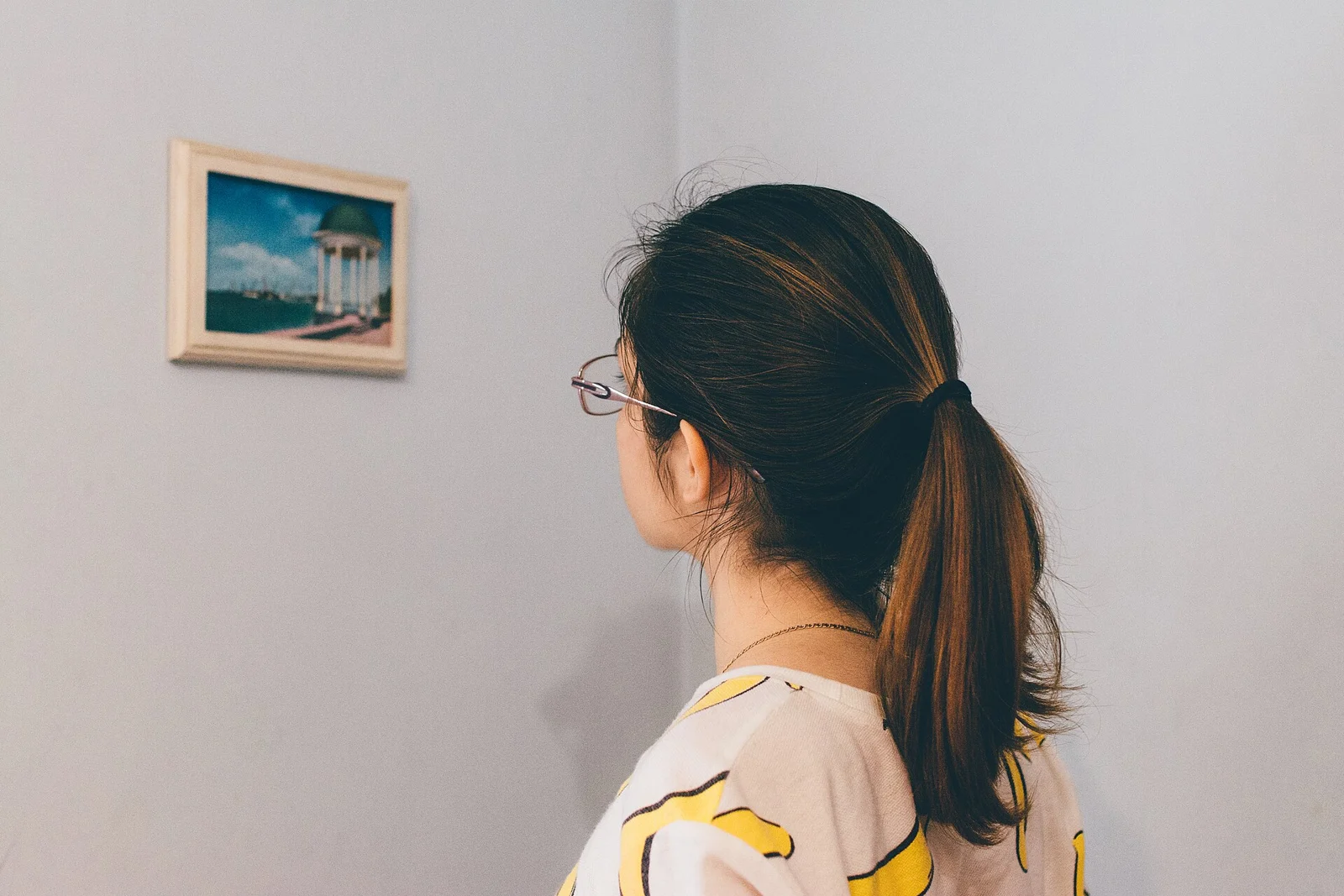
Measure the available area and note nearby doors, switches, lights, and furniture. Arrange paper templates to understand the overall shape before installation. View them from the places where you normally sit and pass through the room. A grouping that looks balanced in an isolated crop may feel crowded above a small cabinet or interfere with another feature. Leave deliberate breathing space rather than adding a frame merely because an unused gap can technically accommodate it.
Choose frames for the pieces
Compare internal opening dimensions, any mount requirements, glazing information, and the manufacturer's instructions. A frame's outer size is not the same as the image size it accepts. Decide whether a repeated finish will help the group feel coherent or whether existing frames can work together. Neither approach requires an identical set. Check the visible border and scale using actual samples when practical. A listing showing several staged images does not necessarily include the art or mounts displayed in the photograph.
Plan a suitable installation
Follow the frame and fixing manufacturers' instructions for the exact wall type and load. Obtain rental permissions where needed and use appropriate professional help when uncertain. Do not assume an adhesive product is suitable for every surface or can be removed without consequences. Keep installation information with the order and allow time to check the arrangement before making holes. Secure placement matters more than copying a particular spacing rule from an image whose wall construction you do not know.
Add slowly enough to keep meaning
Price frames, mounts, suitable fittings, and any professional work together. Read returns carefully, especially for custom items. Start with a complete small grouping rather than leaving several purchases waiting indefinitely for the right picture. After living with it, decide whether another piece would improve the arrangement or simply fill a space. An art wall can remain intentionally small. Its success lies in the relationship between the chosen pieces and the room, not in reaching a predetermined number of frames.
Sources & further reading
Published sources for the details and examples discussed in this story.